Tony Hallside, CEO of STP Partners, emphasized that the record profits in the Gulf Cooperation Council (GCC) not only reflect higher oil prices but also the resilience and growth of various sectors. He pointed out that corporate activity continues to thrive despite geopolitical challenges. Hallside believes that this diverse growth is essential for investors to consider beyond just the headline profit figures.
“For investors, that breadth is arguably more important than the record number itself.”
— Tony Hallside, CEO of STP Partners

Tony Hallside, CEO of STP Partners, highlighted the unique situation where both gold and Bitcoin have risen simultaneously, indicating investor anxiety about currency values. He emphasized that while both assets are sought after during economic uncertainty, they serve different roles in a portfolio. Hallside cautioned against equating Bitcoin with gold due to their differing histories and stability.
“Investors were using different assets to express their concern about purchasing power of money and sustainability of government finances.”
— Tony Hallside, CEO of STP Partners

Tony Hallside, CEO of STP Partners, commented on the recent shift in global foreign holdings of US Treasury securities, highlighting that these changes should be understood within a broader context. He emphasized the importance of considering liquidity, yield, and diversification for global investors rather than interpreting the decline as a lack of confidence in US debt. Hallside also noted that Treasuries remain a critical aspect of institutional investment strategies.
“The month-on-month decline in foreign holdings of US Treasuries should be viewed in the context of how global investors, including official reserve managers, balance liquidity, yield and diversification rather than as a simple indication of declining confidence in US government debt.”
— Tony Hallside, CEO of STP Partners
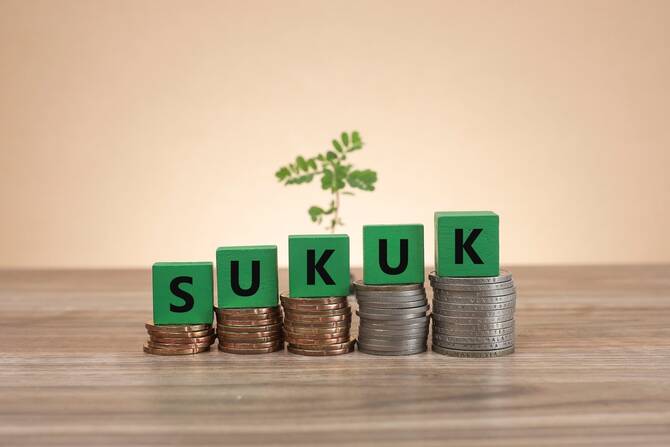
Tony Hallside, CEO of STP Partners, emphasized the significance of Saudi Arabia's sukuk issuance in August, which saw a substantial month-on-month increase. He pointed out that the diverse maturity structure enhances investor options and supports the local yield curve's development. Hallside also highlighted the importance of consistent sovereign issuance in bolstering the wider sukuk ecosystem as the Kingdom pursues its economic diversification goals.
“As Saudi Arabia advances its economic diversification agenda, sukuk will remain an important component of its funding and debt-management strategy.”
— Tony Hallside, CEO of STP Partners
Tony Hallside, CEO of STP Partners, addresses the complexities of transforming AI-generated wealth into guaranteed income. He highlights that while the Gulf region has significant resources, the challenge lies in developing a stable and equitable distribution model. Hallside emphasizes that any income support system must have a reliable revenue base to be effective.
“A universal payment becomes much harder in economies with large expatriate workforces.”
— Tony Hallside, CEO of STP Partners